
Breast augmentation in San Diego
Saline or silicone, what to weigh and what the FDA asks your surgeon to go over with you. Talk it through with Dr. Ron Soltero, certified by the American Board of Plastic Surgery.
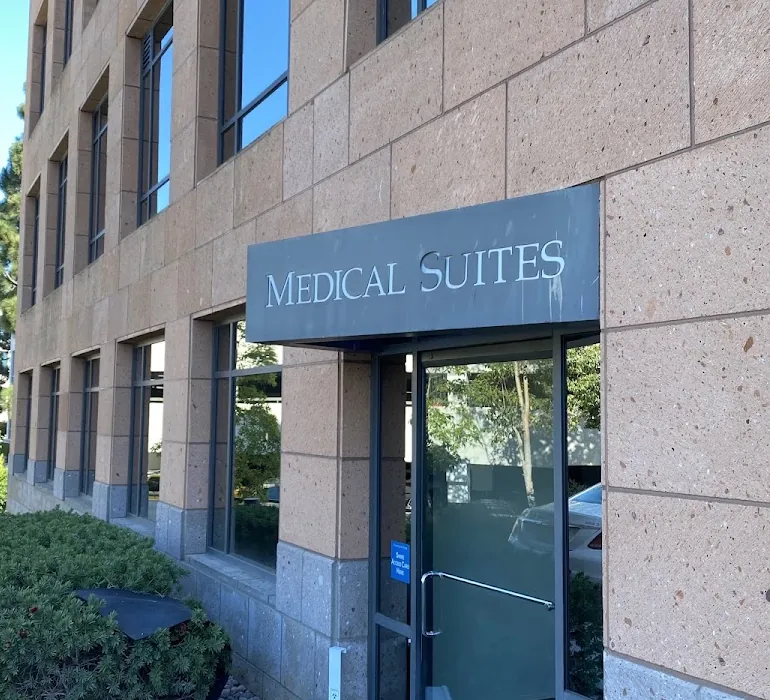
Thinking about breast augmentation in San Diego? Dr. Ron Soltero is a plastic surgeon certified by the American Board of Plastic Surgery , with an office at 4510 Executive Dr #105 in the UTC / La Jolla area. Call (858) 457-8686 and tell the team what you'd like to talk about. English and Spanish.
What is breast augmentation?
The FDA describes breast implants as medical devices implanted under the breast tissue or chest muscle to increase breast size, which is augmentation. Implants are also used in reconstruction and in revision surgery.
Saline or silicone: what are the options?
The FDA says two types are approved for sale in the United States.
| | Saline-filled | Silicone gel-filled | |---|---|---| | Approved for sale in the US | Yes | Yes | | Outer shell | Silicone | Silicone | | Varies in size, shell thickness, texture and shape | Yes | Yes | | FDA rupture screening recommendations | Ask your surgeon | Your provider may recommend regular MRI or ultrasound |
Read more in saline or silicone, and the FDA's checklist and device card .
What should you weigh before you decide?
The FDA's list of things to consider is worth reading in full before a consultation. A few points from it:
- Breast implants are not lifetime devices, and you should assume you'll need additional surgeries.
- The cost of removal or replacement may not be covered by insurance, even if you have complications.
- The most common local complications are capsular contracture, reoperation and implant removal.
- There's a risk of a cancer of the immune system called BIA-ALCL, in the breast or the scar tissue around the implant. The FDA says it is not breast cancer.
- Some patients report symptoms they call breast implant illness, such as chronic fatigue, brain fog and joint pain.
We go through this in things to weigh before choosing breast implants and why implants aren't lifetime devices .
What happens at your consultation?
Dr. Soltero's stated aim is to listen to your needs and goals in a one-on-one relationship. Your consultation takes place in a private setting, you'll discuss different approaches to breast augmentation, and you can see pre- and post-operative pictures there. Afterwards you meet with the patient coordinator.
Under the FDA-approved labeling, the surgeon reviews a patient decision checklist with you before implants, and you get the chance to initial and sign it.
Patients describe it this way on Google:
> "From the initial consultation I felt super comfortable and not pressured to do anything I didn’t want to do." Jessica, Google review
> "I wasn’t pressured into adding any other procedures that I didn’t want." YAYA, Google review
Individual experiences vary.
What should you ask?
- Which implant type, size and placement would you consider for me, and why?
- What's the plan if I have a complication, and what could it cost?
- What follow-up and screening should I plan for over the years?
- May I read the manufacturer's patient labeling and the decision checklist ahead of time?
- Where will my surgery take place?
Before you book with any surgeon, you can check their California license yourself. Ready to talk? Book a consultation .
Frequently asked questions
What's the difference between saline and silicone implants?
The FDA says saline-filled and silicone gel-filled implants are the two types approved for sale in the US. Both have a silicone outer shell, and they vary in size, shell thickness, surface texture and shape. Dr. Soltero can go over which options fit your goals at your consultation.
Will I need another surgery someday?
Plan for it. The FDA says breast implants are not lifetime devices and that you should assume you will need additional surgeries. It also says the longer you have implants, the more likely you are to have them removed or replaced.
Do silicone implants need extra screening?
They can. The FDA says your health care provider may recommend regular MRI or ultrasound exams to screen for rupture and other complications if you have silicone gel-filled implants, and those exams may not be covered by your insurance.
Can I see before and after photos?
This site doesn't show patient photos. Dr. Soltero shows pre- and post-operative pictures at your consultation, where he can talk through what applies to you.
Can we talk in Spanish?
Yes. The practice cares for patients in English and Spanish.
Request a consultation
Talk through your options with Dr. Soltero in San Diego.
